
Admissions teams face unprecedented challenges as sophisticated bot networks and fraudulent applications flood enrollment pipelines. Safeguarding institutional integrity requires a proactive approach. Deploying a modern data verification platform allows institutions to identify bad actors early, ensuring that scarce operational resources and admissions spots go exclusively to legitimate, deserving students.

Track Contact Anomalies and Location Mismatches
Securing the enrollment pipeline begins with vetting foundational applicant data. Our approach involves scanning for temporary email addresses, disconnected phone numbers, and suspicious formatting errors. Simultaneously, monitoring IP addresses flags applicants using VPNs or presenting extreme geographical mismatches. Combining these validation steps exposes automated bots before they compromise your data systems.

Analyze Real-Time Applicant Behavioral Patterns
Evaluating how users interact with submission portals provides critical security insights. Legitimate applicants take time to navigate pages and input personal details. Conversely, software bots fill out complex forms in mere seconds. By analyzing behavioral speed and form-interaction metrics, admissions operations teams can instantly flag anomalies without disrupting the user experience for real students.
 Prevent Pipeline Clutter with Duplicate Record Blocking
Fraudulent networks often submit identical profiles with minor variations to maximize their chances of acceptance. Implementing automated duplicate record blocking stops these attempts at the gate. By cross-referencing core identifying details across historical databases, our systems prevent system clutter. This protocol ensures your staff reviews unique, valid applications rather than chasing ghost profiles.
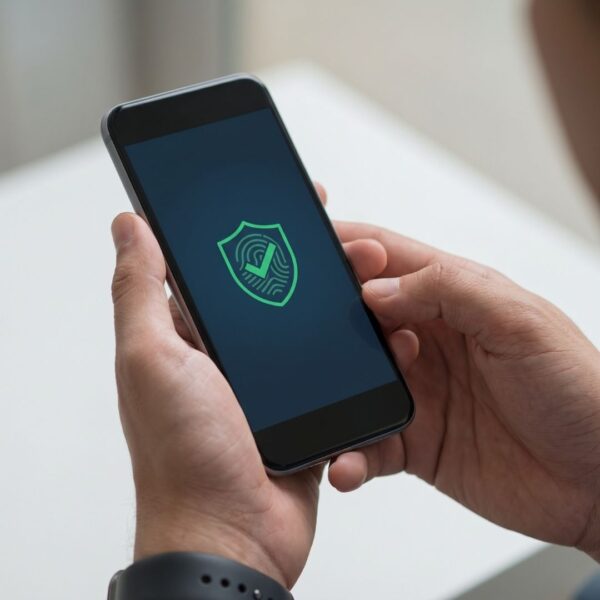
Establish Multi-Factor Identity Verification Protocols
The ultimate layer of defense requires confirming an applicant’s true identity. Integrating multi-factor identity verification adds an essential hurdle for bad actors. Requiring secure SMS codes or government ID checks for high-risk profiles deters automated fraud operations. This robust verification step safeguards institutional resources while keeping the path clear for authentic prospective students.
Protecting higher education institutions from evolving enrollment threats requires an advanced, multi-layered approach to application fraud detection. By monitoring behavioral patterns, tracking data anomalies, and blocking duplicate records, institutions can preserve operational integrity. At AMSimpkins & Associates, we provide the specialized guidance and fraud detection software for college applications necessary to secure your admissions pipeline. Contact our expert team today to explore our solutions, or download our comprehensive security implementation checklist to evaluate your current system’s vulnerabilities.
About Us
AMSA Connect is a cloud-based solution that specializes in securely providing data integration , migration and conversion services. for Higher Ed.